
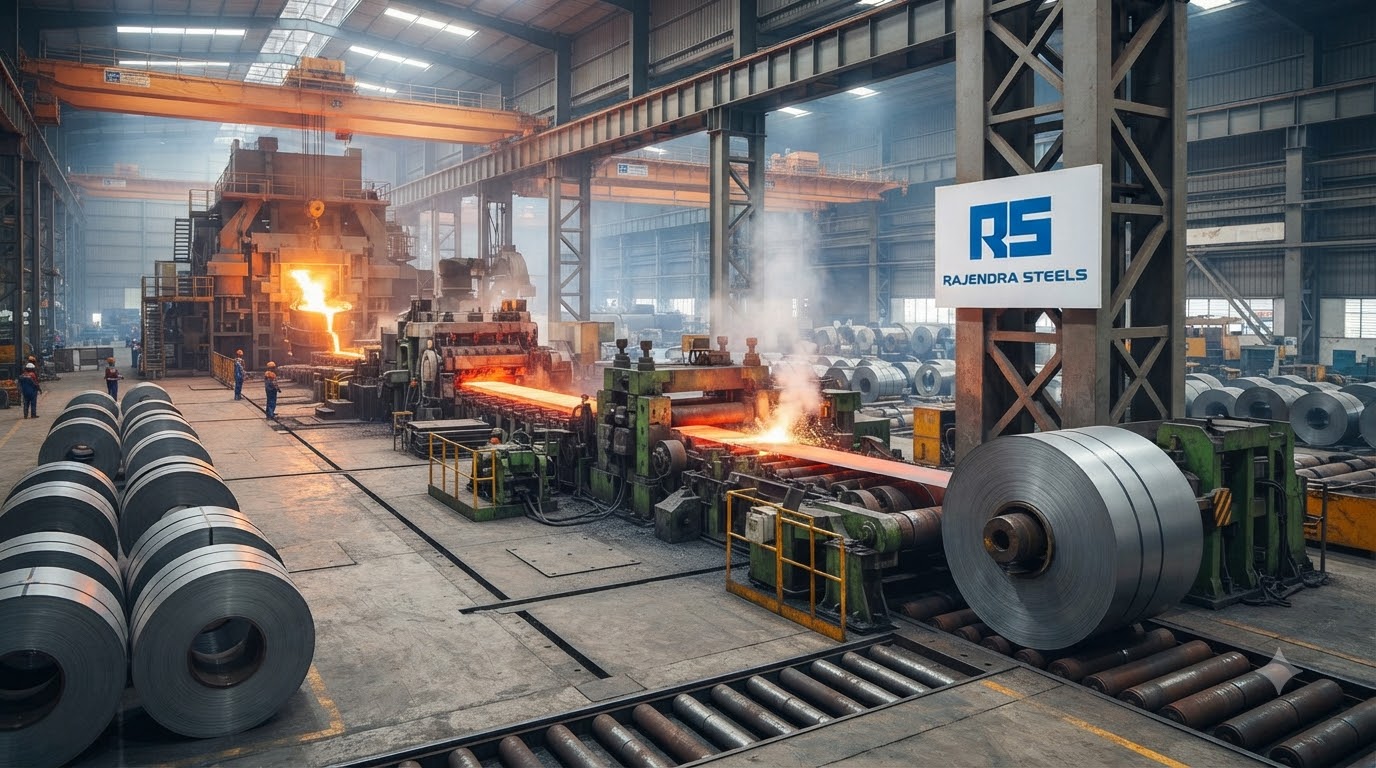
The specific properties required from a steel sheet depend on where it will be used. Automotive manufacturers may prioritize formability, dimensional accuracy, and corrosion protection, while construction projects may focus more on structural performance, durability, coating, and weather resistance.
Understanding the major steel sheet uses in automotive industry, construction, and appliances can help manufacturers, contractors, fabricators, and procurement professionals select the right material for their applications.
What Are Steel Sheets?
Steel sheets are flat steel products manufactured in controlled thicknesses and dimensions. They can be produced through hot rolling or cold rolling and may receive additional treatments such as pickling, annealing, galvanizing, or other coatings.
Different steel sheets offer different combinations of:
- Strength
- Ductility
- Formability
- Surface finish
- Corrosion resistance
- Weldability
- Dimensional accuracy
The appropriate sheet should therefore be selected according to the requirements of the final product or structure.
1. Steel Sheet Uses in Automotive Industry
The automotive sector is one of the major users of flat steel products. Steel sheets can be formed into complex shapes and provide the structural strength required for vehicle manufacturing.
Vehicle Body Panels
Steel sheets are commonly used to manufacture exterior body components such as doors, hoods, roofs, fenders, and other panels.
For these applications, formability and surface quality are particularly important because the sheet may need to undergo pressing or stamping into a specific shape.
Automotive Structural Components
Steel sheets are also used in components that contribute to vehicle structure and crash performance.
Depending on the vehicle design and material specification, applications can include:
- Reinforcement components
- Structural panels
- Cross members
- Floor components
- Pillars
- Chassis-related parts
Modern vehicle manufacturing can use different grades of steel, including higher-strength materials where appropriate.
Automotive Exhaust and Other Components
Certain steel sheet products are also used in exhaust-related components, brackets, shields, and other fabricated automotive parts. Material selection depends on temperature, corrosion exposure, forming requirements, and the component’s operating environment.
Why Steel Sheets Are Used in Automotive Manufacturing
The popularity of steel in automotive applications comes from its combination of mechanical performance, manufacturability, recyclability, and established processing infrastructure.
For manufacturers, selecting the correct steel grade and surface condition is essential because the material needs to perform throughout stamping, welding, painting, assembly, and vehicle operation.
2. Steel Sheet Uses in Construction
Construction is another major area where steel sheets are used. They can be incorporated into building envelopes, roofing systems, structural components, fabrication projects, and numerous supporting applications.
Roofing
Steel sheets are widely used for roofing because they can provide durability and relatively efficient installation when properly specified and protected.
Galvanized or coated steel sheets are particularly useful where improved resistance to atmospheric corrosion is required.
Common applications include:
- Industrial roofs
- Commercial buildings
- Warehouses
- Agricultural structures
- Sheds
- Canopies
Wall Cladding and Building Envelopes
Steel sheets can also be used as wall panels and cladding systems.
Depending on the construction system, coated steel can provide a durable exterior surface while allowing manufacturers to produce panels in different profiles and finishes.
Structural and Fabricated Components
Steel sheets are used in many fabricated construction components, including plates, brackets, supports, panels, and other engineered parts.
The required grade and thickness depend on the load, fabrication process, design specification, and applicable construction standards.
Ducting and HVAC Applications
Steel sheets are commonly fabricated into ducts and related components for heating, ventilation, and air-conditioning systems.
In these applications, properties such as formability, dimensional accuracy, surface condition, and corrosion resistance can influence material selection.
Construction Equipment and Site Applications
Steel sheets are also used in fabricated components for construction equipment, storage systems, safety barriers, enclosures, and various site-related products.
The exact material specification should be based on the operating environment and mechanical requirements.
3. Steel Sheet Uses in Appliances
Household and commercial appliances require materials that can be formed, finished, painted, coated, and assembled efficiently.
This makes suitable steel sheets an important manufacturing material.
Refrigerators and Freezers
Steel sheets can be used for exterior panels, doors, internal structural parts, brackets, and other components of refrigerators and freezers.
Where appearance is important, manufacturers may require steel with consistent surface characteristics and good forming performance.
Washing Machines
Washing machines contain numerous sheet-metal components, including external panels, structural supports, brackets, and other fabricated parts.
The steel selected needs to be compatible with forming, joining, finishing, and the expected service environment.
Ovens and Cooking Appliances
Steel sheets are also used in ovens, cookers, and related appliances.
Depending on the component, manufacturers may require specific grades or stainless steel products capable of handling elevated temperatures, moisture, cleaning chemicals, or repeated use.
Air Conditioners
Air-conditioning units contain sheet-metal cabinets, panels, brackets, and other fabricated components.
Material selection may depend on factors such as:
- Corrosion resistance
- Formability
- Strength
- Surface finish
- Coating compatibility
- Manufacturing requirements
Steel Sheet Applications at a Glance
| Industry | Common Applications | Important Material Properties |
| Automotive | Body panels, structural parts, reinforcements, brackets | Formability, strength, surface quality |
| Construction | Roofing, cladding, ducts, fabricated components | Strength, durability, corrosion protection |
| Appliances | Refrigerators, washing machines, ovens, AC units | Formability, finish, corrosion resistance |
| Engineering | Machinery parts, enclosures, equipment | Strength, machinability, dimensional accuracy |
| General fabrication | Panels, brackets, cabinets, supports | Weldability, formability, availability |
Hot Rolled vs Cold Rolled Steel Sheets
Not every steel sheet is manufactured or processed in the same way.
Hot rolled steel sheets are produced through high-temperature rolling and are widely used for applications where strength, workability, and economical production are important.
Cold rolled steel sheets undergo additional rolling after hot rolling and can provide improved surface finish, dimensional precision, and specific mechanical properties.
The choice between hot rolled and cold rolled material depends on the application.
For example, a heavy fabricated structural component may have different requirements from an appliance exterior panel that needs a smooth and consistent surface.
Why Steel Sheet Quality Matters
Choosing the correct steel sheet is about more than selecting thickness.
Manufacturers and construction professionals should consider:
Grade
The grade should meet the required chemical and mechanical specifications.
Thickness
Thickness affects weight, stiffness, forming behavior, and structural performance.
Surface Finish
Surface requirements become particularly important for visible automotive and appliance components.
Corrosion Protection
For outdoor construction applications, galvanized or coated steel may provide additional protection against atmospheric corrosion.
Formability
Deep drawing, bending, stamping, and other forming processes require material with appropriate ductility and forming characteristics.
Documentation
For industrial procurement, relevant material test certificates and quality documentation can help verify that supplied material meets the required specification.
How to Choose the Right Steel Sheet
Before purchasing steel sheets, clearly define the intended application and processing requirements.
Ask the following questions:
- What will the sheet be used for?
- What grade and standard are required?
- What thickness and width are needed?
- Will the material be bent, stamped, welded, or cut?
- Is a particular surface finish required?
- Will the material be exposed to moisture or corrosive conditions?
- Are coating requirements specified?
- Is material certification required?
A supplier with knowledge of flat steel products can help buyers match the material to their application rather than simply supplying a generic sheet.
Selecting a Reliable Steel Supplier
For manufacturers and fabricators, consistent sourcing can be as important as the product itself. A reliable supplier should be able to discuss product specifications, dimensions, quality requirements, processing needs, and delivery expectations.
Rajendra Steels supplies a range of flat steel products, including Hot Rolled Coils, Cold Rolled Coils, galvanized products, and stainless steel sheets and coils.
For businesses looking for a trusted steel manufacturer or supplier in India, product suitability, quality consistency, technical understanding, and dependable service should all be considered before placing an order.
Frequently Asked Questions
1. What are the main steel sheet uses in automotive industry?
Steel sheets are used for vehicle body panels, doors, roofs, hoods, reinforcements, structural components, brackets, and other fabricated parts. The required grade depends on the component’s strength, forming, surface, and corrosion requirements.
2. What are the main steel sheet uses in construction?
Common construction applications include roofing, wall cladding, ducts, fabricated structural components, panels, supports, enclosures, and other building-related products.
3. What are the main steel sheet uses in appliances?
Steel sheets are commonly used in refrigerators, washing machines, ovens, air conditioners, cabinets, panels, brackets, and internal structural components.
4. Which steel sheet is best for automotive applications?
There is no single best steel sheet for every automotive component. Manufacturers select grades according to forming requirements, strength, surface quality, corrosion protection, and the specific component design.
5. Are galvanized steel sheets suitable for construction?
Yes. Galvanized steel sheets are widely used in construction applications where protection against atmospheric corrosion is required. The appropriate coating and material specification should be selected according to the environment and project requirements.
6. What is the difference between hot rolled and cold rolled steel sheets?
Hot rolled sheets are produced through high-temperature rolling, while cold rolled sheets undergo additional rolling after hot rolling. Cold rolled products generally offer improved surface finish and dimensional control, making them suitable for applications requiring these characteristics.
7. How should I select a steel sheet supplier in India?
Compare suppliers based on the required grade, dimensions, product quality, documentation, availability, delivery capability, technical support, and experience with your intended application.
Conclusion
Steel sheets play a critical role across automotive manufacturing, construction, appliances, engineering, and general fabrication. Their versatility allows manufacturers to produce everything from vehicle body panels and building roofs to refrigerator cabinets and washing-machine components.
The key is to match the steel sheet to the application’s actual requirements. Grade, thickness, surface condition, formability, strength, corrosion protection, and applicable standards should all be considered before purchasing.
For businesses sourcing steel products, working with an experienced and reliable supplier can make material selection and procurement more straightforward while helping ensure that the selected steel is appropriate for the intended application.